Rose Garden Coquette: A Strategic Tool for Creative and Commercial Projects
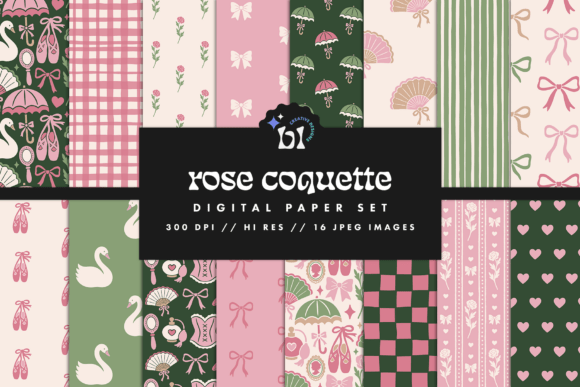
For creators, entrepreneurs, and professionals seeking to elevate their visual content with refined aesthetics and strategic design elements, Rose Garden Coquette offers a compelling solution. This digital paper collection, featuring seamless patterns and textures, is not just about adding beauty to your work—it's about enhancing clarity, coherence, and impact in branding, invitations, planners, and more. With 16 high-resolution JPEG files at 300 DPI and a convenient 12 x 12-inch format, it provides a versatile foundation for both personal and commercial use.
Why Rose Garden Coquette Matters in Design Strategy
Design plays a pivotal role in how audiences perceive and interact with content. Whether you're crafting a wedding invitation, developing a brand identity, or organizing a planner, the right texture can subtly influence tone and professionalism. Rose Garden Coquette is strategically useful because it combines elegance with functionality. Its delicate floral motifs and soft pastel hues evoke a sense of sophistication without overwhelming the message or visuals they accompany.
This makes it ideal for industries where trust, creativity, and emotional appeal are key—such as lifestyle brands, event planning, educational materials, or boutique businesses. By incorporating these papers into your projects, you align your visuals with a curated aesthetic that supports your brand narrative and enhances user experience.
Thoughtful Use in Branding and Communication
Branding is more than logos and color schemes; it’s about creating a cohesive visual language that resonates with your audience. Rose Garden Coquette can be used to create backgrounds for brochures, social media templates, or website banners that reflect a brand’s personality. For instance, a small flower shop might use one of the textures to craft an Instagram post that feels handcrafted and authentic, reinforcing its artisanal image.
When designing marketing collateral such as flyers or email headers, using these papers intentionally can help maintain a consistent theme across all touchpoints. The soft tones and intricate details add depth and character, which are especially valuable in print materials where tactile qualities also matter. However, it’s essential to ensure the pattern complements—not competes with—your main content. Subtlety is key when using textures for branding purposes.
Planning Tips for Effective Application
- Define the purpose: Before applying any pattern, clarify the goal of the project. Are you aiming for whimsy, professionalism, or something in between? Choose the appropriate Rose Garden Coquette file based on this context.
- Consider contrast: Ensure text and images placed over the textures remain legible. Lighter-colored designs may need a slightly darker paper variant to avoid blending in too much.
- Test in different formats: Download the .ZIP file and test each paper in both digital and print settings. This helps determine how the pattern translates across mediums and whether it needs adjustments like overlays or borders.
- Match your brand palette: If your brand has specific colors or fonts, look for Rose Garden Coquette papers that harmonize with those choices. This maintains visual consistency and strengthens brand recognition.
Use Cases That Deliver Real Value
The versatility of Rose Garden Coquette allows it to fit into multiple workflows. Here are some realistic applications where it adds tangible value:
- Scrapbooking & Journaling: The elegant textures provide a beautiful backdrop for personal stories, family memories, or creative journals. They make the final product feel more intentional and polished.
- Wedding Invitations: When paired with calligraphy or vintage fonts, these papers create a romantic and timeless feel. They’re particularly effective for rustic, bohemian, or garden-themed weddings.
- Planners and Calendars: Monthly layouts, habit trackers, and to-do lists benefit from the subtle detail of these papers. They help users stay motivated by making the planner visually appealing and organized.
- Blog Headers and Social Media Graphics: As a background for blog posts or Pinterest pins, the patterns add a layer of charm and professionalism. They’re great for niche bloggers in areas like fashion, home decor, or wellness.
- Website Design Elements: Used sparingly in sections like testimonials, contact pages, or about us blocks, the papers enhance user experience by breaking up monotony and guiding attention naturally.
Strategic Observations: When to Rely on Rose Garden Coquette
While these papers are undeniably attractive, they are most powerful when used thoughtfully. Consider them for projects where the following conditions apply:
- You want to create a warm, inviting atmosphere (e.g., lifestyle blogs, customer onboarding emails).
- Your audience values aesthetics as part of the experience (e.g., luxury brands, handmade goods sellers).
- You need to differentiate your materials from generic, mass-produced designs.
- You aim to evoke emotion through design, such as nostalgia, romance, or tranquility.
On the other hand, avoid using Rose Garden Coquette in situations where clarity is paramount. For example, if you’re designing a financial report or legal document, the added texture might distract rather than enhance the reader’s focus. Always match the level of detail in your design to the expectations of your audience.
How to Approach Integration Thoughtfully
To maximize the impact of Rose Garden Coquette, follow these steps when integrating it into your workflow:
- Start with a clear objective: Ask what you want to achieve with the design. Is it to inform, inspire, or invite action? Let this guide your choice of pattern.
- Layer with intention: Combine the digital papers with solid colors, transparent overlays, or minimalistic graphics to control contrast and visual hierarchy.
- Stay within brand guidelines: If your brand uses bold typography or strong geometric shapes, balance those elements with the organic flow of the floral patterns to maintain harmony.
- Plan for scalability: Since these are digital assets, consider how they’ll perform on various screen sizes and resolutions. Test mobile responsiveness if applicable.
Possible Risks of Unintentional Use
One of the biggest risks of using Rose Garden Coquette is relying on it without a clear strategy. While the textures are beautiful, they can become distractions if not aligned with the overall message or purpose of the project. For example, using a highly detailed floral pattern behind important text could reduce readability and confuse viewers.
Another risk arises when using the same pattern repeatedly without variation. This can lead to a monotonous aesthetic, causing your audience to lose interest or even forget your brand. To avoid this, rotate between different papers or pair them with contrasting elements to keep your visual communication fresh and engaging.
Decision-Making Guidance for Creators
When choosing whether to incorporate Rose Garden Coquette into a project, ask yourself these questions:
- Does this pattern support the emotional tone I want to convey?
- Will it improve the perceived quality of my output?
- Is there a practical reason to use it beyond aesthetics, such as increasing engagement or reinforcing brand values?
- Am I using it consistently with the rest of my design system?
By answering these questions upfront, you can avoid falling into the trap of using decorative elements purely for novelty. Instead, you position Rose Garden Coquette as a strategic component of your creative toolkit.
Long-Term Value and Reusability
Investing in digital assets like Rose Garden Coquette can yield long-term benefits when managed effectively. Because the files are high-resolution JPEGs, they retain quality even when printed, which means you can repurpose them across multiple platforms—from physical mailers to digital ads.
Think of them as modular building blocks. You don’t have to use each paper in isolation; instead, blend them creatively to build unique compositions. For instance, combine two different textures to create a layered background that tells a story or conveys a mood more effectively than a single pattern alone.
Additionally, since commercial use is allowed (see terms), entrepreneurs can confidently integrate these designs into products they sell online, such as printable planners, greeting cards, or custom packaging. Just remember to review the licensing agreement before broad distribution to ensure compliance.
Examples of Intentional Use in Action
Let’s explore a few scenarios where Rose Garden Coquette was applied with clear intent and delivered measurable results:
- A bakery owner redesigned her newsletter using one of the floral textures as a header. The result was a 25% increase in open rates, attributed to the enhanced visual appeal and thematic alignment with her brand’s “fresh and natural” positioning.
- An educator created a series of downloadable study guides for students, using the papers as page dividers. The guides received positive feedback for being visually stimulating yet easy to read, improving student retention and engagement.
- A freelance designer included these textures in a client’s brand assets for a new line of organic skincare products. The packaging gained a premium look, contributing to a 15% rise in sales during the launch period.
These examples show how thoughtful integration can support broader goals—whether in marketing, education, or product development.
Maximizing Creativity and Productivity
Time is a valuable resource for anyone in the creative field. Using pre-made digital papers like Rose Garden Coquette can significantly boost productivity by reducing the time spent on background creation. Instead of designing from scratch, you can focus on layout, content, and messaging.
However, productivity gains only occur when you use these assets efficiently. Create a library of preferred combinations and reuse them across similar projects. This approach not only saves time but also ensures a consistent look and feel across your portfolio.
For educators or publishers, these papers can streamline the production of lesson plans, worksheets, or e-books. By using a unified texture set, you give your materials a professional edge while maintaining accessibility and readability.
Learning Through Application
Every design decision is a learning opportunity. When you experiment with Rose Garden Coquette, pay attention to how different patterns affect perception and usability. Over time, you'll develop a better sense of when to use bold textures versus minimalist ones, depending on the project’s needs.
Encourage team members or collaborators to share their insights too. Collecting feedback from users or clients can reveal unexpected ways the patterns contribute to the success of your initiatives. For example, a client might prefer one particular design for its calming effect, which can then inform future choices.
Final Thoughts on Strategic Design Choices
In today’s competitive landscape, every detail matters. Rose Garden Coquette is more than a collection of pretty prints—it’s a tool for communicating your brand’s values, supporting user engagement, and streamlining your creative process. But its power lies not in random application, but in deliberate, informed use.
Whether you're launching a new product, planning a special event, or simply looking to infuse your daily work with a touch of elegance, these digital papers offer a way to do so without sacrificing clarity or professionalism. Their instant download format ensures quick access, while the commercial use allowance opens doors for monetization and growth.
If you’re unsure about the best way to use Rose Garden Coquette, don’t hesitate to reach out. Questions are welcomed and encouraged. After all, the most successful strategies come from collaboration, reflection, and a commitment to meaningful outcomes.