Geometric Tribal Decorative Motifs: A Guide to Choosing and Using the Right Design
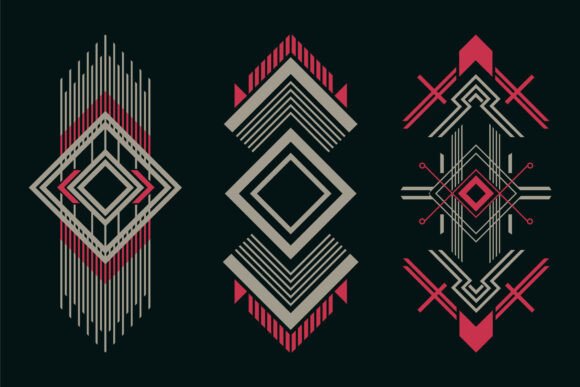
Geometric tribal decorative motifs are a compelling fusion of traditional ethnic artistry and contemporary design. These patterns often feature bold lines, symmetrical arrangements, and recurring shapes such as diamonds and triangles. When rendered in colors like red and beige on a dark background, they create a striking visual contrast that can elevate modern interiors, branding projects, or digital content with an ethnic flair. The beauty of these motifs lies not only in their aesthetic appeal but also in their adaptability across various mediums and industries.
Understanding Geometric Tribal Decorative Motifs
At their core, geometric tribal designs draw inspiration from indigenous cultures worldwide. They simplify intricate tribal symbols into clean, structured forms—ideal for modern abstract applications. These motifs are commonly used in textiles, wall art, logos, packaging, and even fashion. The use of linear patterns and diamond shapes allows for both cultural authenticity and minimalist elegance.
One of the most appealing aspects of geometric tribal motifs is their versatility. Whether you're looking to add depth to your website’s background or bring cultural richness to a product label, these designs can be tailored to suit different styles and purposes. Their popularity has grown significantly among designers who want to incorporate ethnic elements without overwhelming the visual narrative.
Why People Are Drawn to These Designs
- Cultural resonance: They evoke a sense of heritage and storytelling through simplified yet meaningful shapes.
- Modern aesthetics: Clean lines and symmetry align well with minimalist and contemporary design trends.
- Customization potential: With features like full editability and color customization, users can adapt the motifs to fit specific brand identities or personal preferences.
- Scalability: Vector-based files ensure high-quality output at any size, making them perfect for print and digital media alike.
Common Mistakes When Choosing and Using Geometric Tribal Decorative Motifs
Despite their popularity, many people make avoidable mistakes when selecting or implementing geometric tribal motifs. Here are some common pitfalls and how to steer clear of them.
Mistake #1: Ignoring Cultural Context
It's easy to get captivated by the visual allure of tribal motifs without considering their origins. Some symbols carry deep meanings within specific cultures, and using them inappropriately can lead to misinterpretation or offense. This oversight may damage your credibility or project tone, especially in marketing or educational contexts.
Better approach: Research the cultural significance of the motifs you’re using. Opt for stylized or abstract versions when working with unfamiliar traditions, and always respect the context from which the designs originate.
Mistake #2: Overlooking File Quality and Format
A poorly sourced design file can limit your ability to scale or modify the artwork effectively. For example, low-resolution raster images won’t hold up under resizing, leading to blurry outputs. This can compromise the professionalism of your work, particularly in print or large-format displays.
Better approach: Choose vector-based files, such as those provided in EPS format. Vector graphics maintain sharpness regardless of size and allow for complete customization of every element, including individual line thicknesses and color fills.
Mistake #3: Neglecting Color Harmony
Red and beige on a dark background may sound visually exciting, but it's essential to test how these colors interact with your existing palette. If the contrast is too harsh or the colors clash with other design elements, the result could feel jarring rather than cohesive.
Better approach: Use tools like Adobe Color or Coolors.co to explore complementary color schemes. Experiment with subtle variations of red and beige to find the right balance before finalizing your design.
How to Maximize the Value of Your Motif Collection
To truly benefit from geometric tribal decorative motifs, consider the following practical advice:
Check for Editability Before Purchase
Not all downloadable motif sets are fully editable. Some may come pre-rendered in fixed layers or grouped elements, limiting your creative flexibility. If you need to adjust individual components—like changing a diamond shape’s fill or repositioning a line—make sure the source files allow for this.
Example: Suppose you're designing a logo using a tribal-inspired motif. If the design isn't editable, you might struggle to integrate it seamlessly with text or other graphic elements. Always verify if the file includes layered vector elements for ease of modification.
Understand the Difference Between Symmetry and Repetition
Many users confuse symmetrical design with simple repetition. While repetition creates rhythm, true symmetry adds balance and visual harmony. In tribal motifs, symmetry often plays a key role in creating a calming yet impactful composition. Misusing this principle can lead to cluttered or uneven visuals.
Corrective tip: When arranging motifs, consider using mirrored layouts to achieve symmetry. This will enhance the overall structure and give your design a more polished look.
Don’t Skip the Customization Step
Even though you have access to 100% color customization, some users stick to the default palette, missing out on the opportunity to tailor the design to their needs. This can result in generic-looking assets that don’t stand out or reflect your brand identity accurately.
Solution: Dedicate time to tweak colors, line weights, and spacing. Think about how each adjustment affects the mood and message of the design. A subtle shift in hue or contrast can dramatically change the perception of your work.
Choosing the Right Source Files for Long-Term Projects
When you invest in a motif set, the quality and accessibility of the source files matter just as much as the design itself. EPS (Encapsulated PostScript) files are widely preferred for their compatibility with professional design software like Adobe Illustrator and Inkscape. They preserve scalability and detail, ensuring your work looks sharp everywhere from business cards to billboards.
Some platforms offer compressed ZIP packages containing multiple EPS files. Make sure you extract and review each one before starting your project. Occasionally, collections include hidden flaws like overlapping paths or inconsistent stroke widths that can cause issues during printing or digital rendering.
What to Look for in a Motif Package
- Layer organization: Well-structured layers let you isolate parts of the design easily.
- Vector clarity: Confirm that all elements are vector-based, not embedded bitmaps.
- Resolution options: Some packages may offer additional PNG or SVG formats alongside EPS—check what's included.
- Usage rights: Ensure the license covers commercial or personal use as needed.
Realistic Applications and Creative Opportunities
These motifs aren’t just for wall art or t-shirts—they can be integrated into a wide range of creative fields. Educators may use them in presentations to highlight cultural themes; marketers can embed them subtly in brand collateral for a unique edge; while bloggers might incorporate them as accents in headers or dividers.
For instance, a small business owner launching a new line of eco-friendly products could use geometric tribal motifs in their packaging to suggest authenticity and connection to nature. By customizing the red and beige tones to match their brand colors, they ensure consistency and visual cohesion across all touchpoints.
Freelancers and entrepreneurs should also consider the technical side. If you plan to use these motifs in client projects, having access to fully editable vector files means you can quickly adapt to feedback or repurpose the same design across different deliverables.
Final Thoughts on Enhancing Your Design Workflow
Geometric tribal decorative motifs offer a powerful way to blend tradition with modernity. However, their effectiveness depends on thoughtful implementation. Avoid rushing into a purchase without verifying file quality, understanding cultural nuances, or testing color combinations. Instead, take a methodical approach to ensure your final output is both visually appealing and technically sound.
By choosing a package that offers 100% color customization and fully editable vector files in EPS format, you gain the freedom to experiment and refine until your design feels authentic and impactful. Remember, the goal isn’t just to use a motif—it’s to use it wisely, creatively, and responsibly.